



A complete guide to choosing the right car battery – types, differences, and recommendations for vehicles with or without start-stop systems.
A car battery is the silent hero of every vehicle – without it, you’re going nowhere. In this blog post, we’ll look at the different types of car batteries, their differences, what to pay attention to when choosing one, and our professional recommendations. All clearly explained, yet technical enough for those who want to understand.
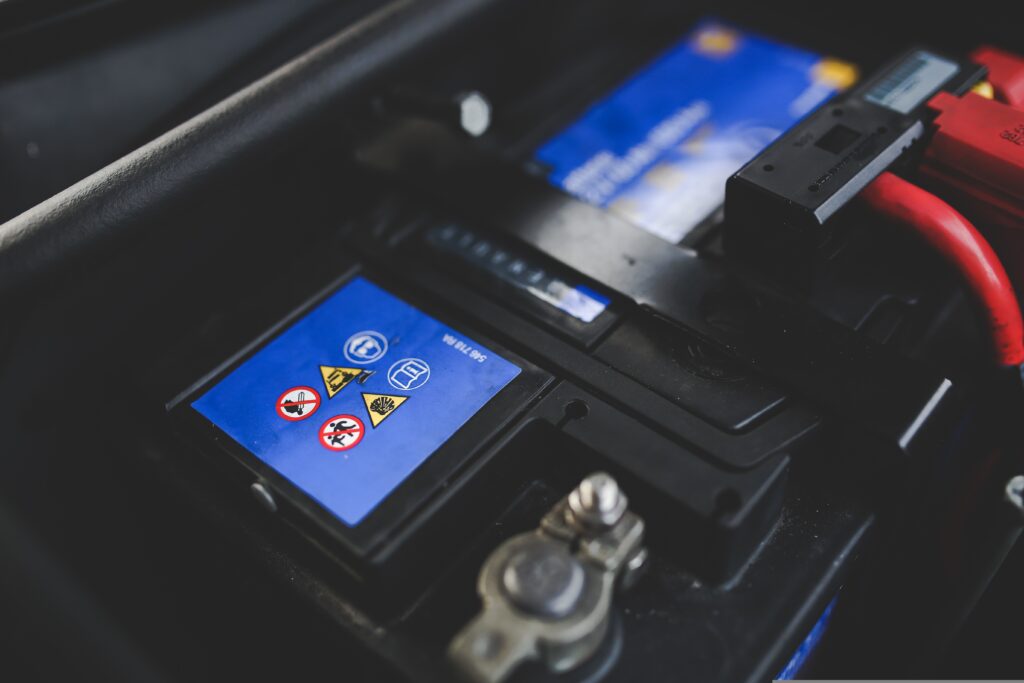
Types of Car Batteries
Car batteries are divided into two main construction types:
- Wet batteries (flooded) – the electrolyte freely circulates inside the battery.
- VRLA batteries (valve-regulated lead-acid) – the electrolyte is absorbed in a mat or gel.
Each group has its own subtypes and specific uses:
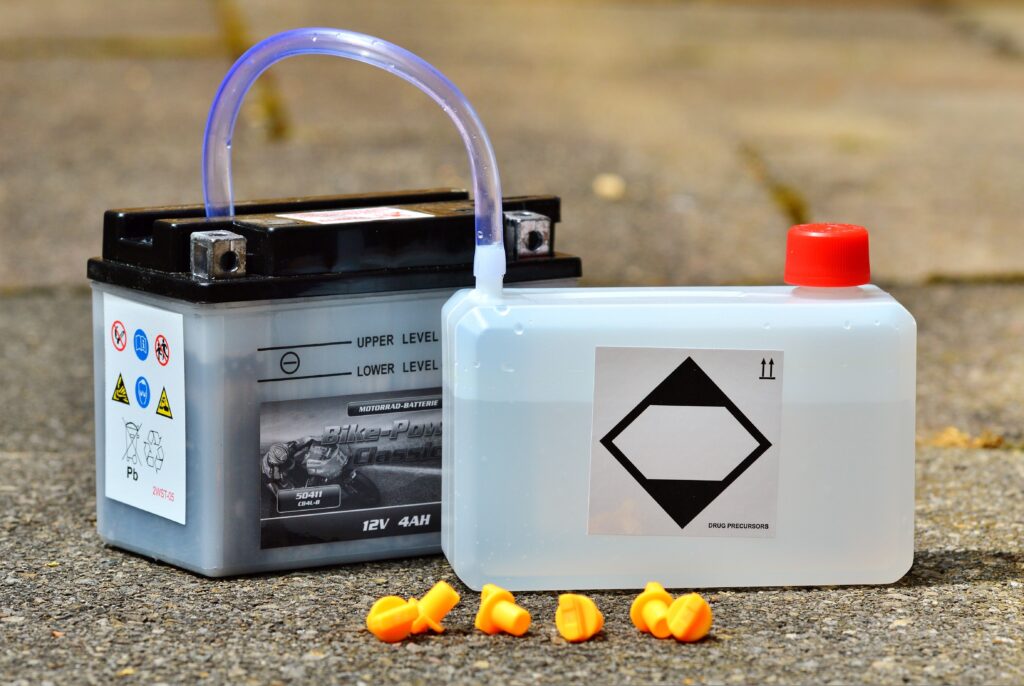
🔋 Standard Car Batteries (Wet)
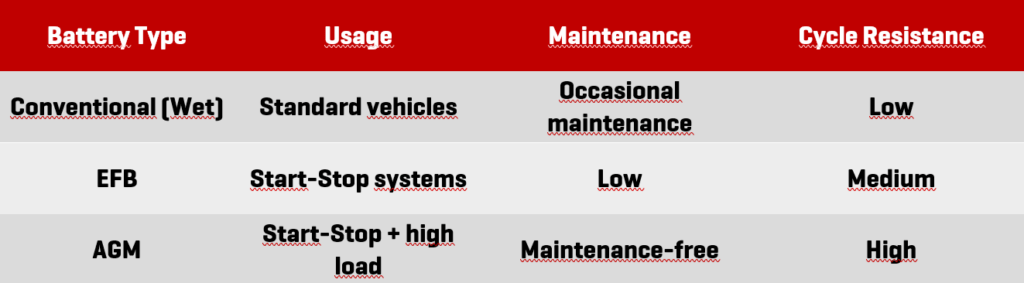
Used in regular vehicles without a start-stop system. They contain liquid electrolyte and are easy to maintain. Suitable for standard electrical load and limited cycling demands.
🔋 Start-Stop Batteries (EFB, AGM)
EFB (Enhanced Flooded Battery) is an improved version of a conventional flooded battery, with greater resistance to frequent charging and discharging. AGM (Absorbent Glass Mat) uses electrolyte embedded in fiberglass mats, offering higher performance, longer life, and maintenance-free operation.
These batteries are designed for vehicles with start-stop systems. They withstand frequent starts and charging cycles. AGM batteries are also maintenance-free and support regenerative braking.
Infographic: Comparison of Battery Types
What to Watch Out for When Choosing a Battery
- Vehicle type – start-stop vehicles require EFB or AGM. Never replace them with a standard wet battery.
- Capacity (Ah) – indicates how much energy the battery can supply. Low capacity may cause starting problems.
- Cold cranking amps (A) – critical in winter. A higher value ensures reliable starts in low temperatures.
- Polarity and size – the wrong size or terminal layout may prevent proper installation or cause electrical issues.
Recommendations
- Always replace batteries with the correct type:
- Wet → wet, EFB, or AGM
- EFB → only EFB or AGM
- AGM → only AGM
- Don’t skimp on quality. A cheap battery might cost more in the long run due to early failure or damage to electronics.
- Beware of extreme temperatures. Cold reduces capacity; heat shortens battery life.
- Check battery condition regularly. Monitor voltage, cranking power, and electrolyte condition.
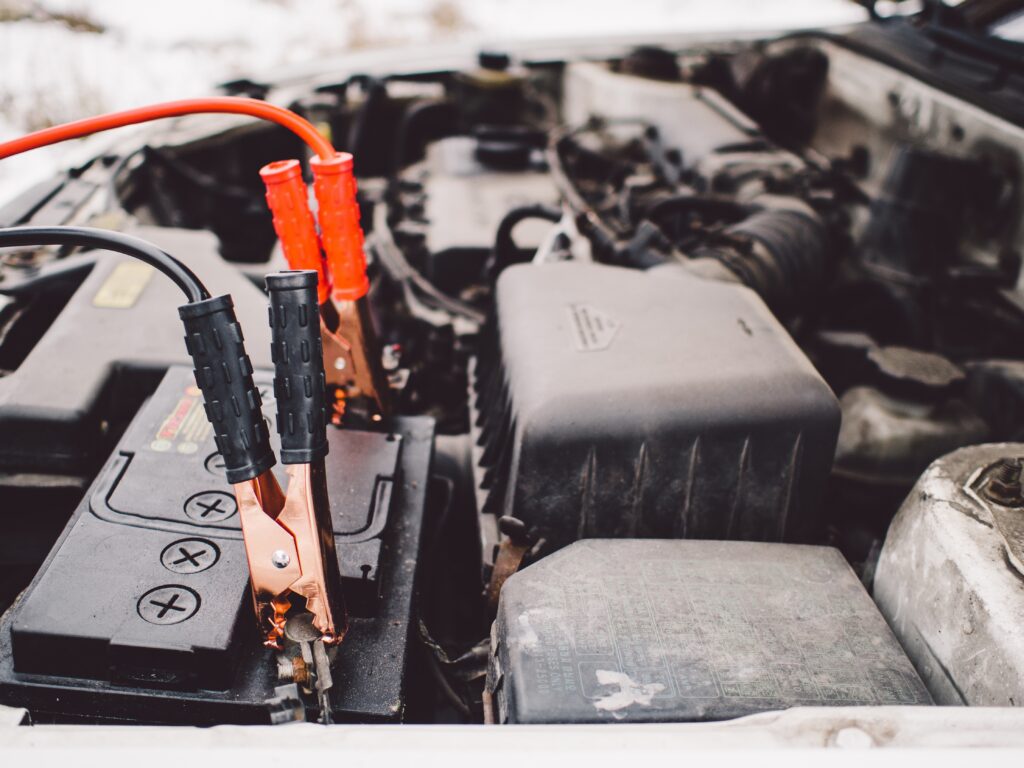
- Have batteries installed by a professional. Wrong mounting or polarity can damage the electrical system.
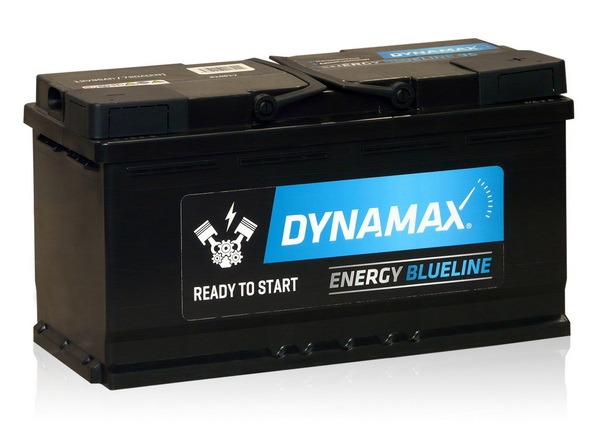
The battery isn’t just a part of your car – it’s the core of reliable starts and stable operation. Choosing the right one ensures your vehicle runs smoothly and safely. Explore the full range of trusted car batteries in our DYNAMAX e-shop.